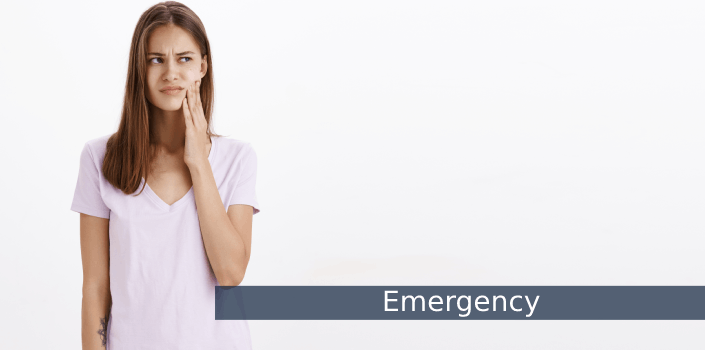
Dental emergencies can happen unexpectedly and often require immediate attention. Whether it’s a sudden toothache, a chipped tooth, or a knocked-out tooth, knowing how to respond quickly can make a significant difference in protecting your oral health. Taking the right steps before you reach a dental clinic can help minimize pain, prevent further damage, and improve the chances of saving your tooth.
Understanding what qualifies as a dental emergency and how to handle it ensures you remain calm and prepared during stressful situations.
What Is Considered a Dental Emergency?
A dental emergency involves any oral health issue that requires prompt care to relieve severe pain, stop bleeding, or save a tooth. Ignoring these situations can lead to complications and more extensive treatment later.
Common dental emergencies include:
- Severe or persistent toothaches
- Knocked-out teeth
- Chipped, cracked, or broken teeth
- Lost fillings or crowns
- Abscesses or dental infections
- Soft tissue injuries to the gums, lips, or cheeks
- Objects stuck between teeth
- Sudden swelling in the mouth or face
Recognizing the urgency of these conditions helps you take immediate action while arranging a dental appointment.
Why Immediate Action Matters
When a dental emergency occurs, time is critical. Quick and appropriate care can reduce discomfort, prevent infection, and increase the likelihood of successful treatment.
Acting promptly can help:
- Preserve natural teeth
- Reduce the risk of permanent damage
- Control bleeding
- Limit the spread of infection
- Shorten recovery time
Even if the situation seems manageable, it is always wise to contact a dental professional as soon as possible for guidance.
Steps to Take During Common Dental Emergencies
Severe Toothache
A toothache is often a sign that something is wrong beneath the surface, such as decay, infection, or nerve irritation.
What you can do:
- Rinse your mouth gently with warm salt water to reduce bacteria.
- Use dental floss to remove any trapped food particles.
- Apply a cold compress to the outside of your cheek to minimize swelling.
- Take over-the-counter pain relief if appropriate.
Avoid placing aspirin directly on the tooth or gums, as it may cause irritation.
Knocked-Out Tooth
A knocked-out tooth requires immediate attention because there is a limited window in which it can often be successfully reinserted.
What you can do:
- Pick up the tooth by the crown (top), not the root.
- If dirty, rinse it lightly with water without scrubbing.
- Try placing the tooth back into its socket if possible.
- If reinsertion isn’t feasible, store it in milk or a tooth preservation solution.
Keeping the tooth moist is essential to protect the delicate tissues needed for reattachment.
Chipped or Broken Tooth
Teeth can chip or break due to accidents, sports injuries, or biting into hard foods. Even minor fractures should be evaluated to prevent further damage.
What you can do:
- Rinse your mouth with warm water.
- Save any broken pieces if you can.
- Apply gauze if there is bleeding.
- Use a cold compress to reduce swelling.
Avoid chewing on the affected side until you receive professional care.
Lost Filling or Crown
When a filling or crown falls out, the exposed tooth may become sensitive to temperature and pressure.
What you can do:
- Keep the area clean.
- If you have the crown, store it safely and bring it to your appointment.
- Temporary dental cement available at pharmacies may help protect the tooth until your visit.
Avoid using household adhesives, as they are not safe for oral use.
Dental Abscess or Infection
An abscess is a serious condition that can lead to widespread infection if left untreated. Symptoms often include intense pain, swelling, fever, and a persistent bad taste.
What you can do:
- Rinse with mild salt water several times a day.
- Avoid extremely hot or cold foods.
- Seek dental care as soon as possible.
Facial swelling or difficulty breathing should be treated as urgent medical concerns.
Soft Tissue Injuries
Injuries to the gums, lips, tongue, or cheeks can cause significant bleeding but are often manageable with quick care.
What you can do:
- Rinse gently with a saltwater solution.
- Apply clean gauze with light pressure to stop bleeding.
- Use a cold compress to control swelling.
If bleeding continues after several minutes of pressure, professional care is necessary.
What Not to Do During a Dental Emergency
Knowing what to avoid is just as important as knowing what actions to take.
- Do not ignore persistent pain or swelling.
- Avoid chewing hard foods on the injured side.
- Never attempt to repair a tooth yourself.
- Do not apply heat to swollen areas, as it may worsen inflammation.
- Avoid delaying your dental visit, even if the pain temporarily subsides.
Prompt professional evaluation ensures that underlying issues are properly treated.
Preparing for Unexpected Dental Situations
While emergencies cannot always be prevented, being prepared can make them less overwhelming.
Keep a Small Dental Emergency Kit
Consider including:
- Gauze
- A small container with a lid
- Salt packets
- Over-the-counter pain relief
- Dental cement
- Contact information for your dental clinic
Having these items readily available can help you respond quickly.
Preventing Dental Emergencies
Many dental injuries are avoidable with consistent care and protective habits.
Helpful prevention tips include:
- Maintain regular dental checkups and cleanings
- Wear a mouthguard during sports or physical activities
- Avoid chewing ice, popcorn kernels, or hard candies
- Do not use your teeth as tools
- Address minor dental concerns before they worsen
- Follow a daily brushing and flossing routine
Preventive care plays a major role in reducing the likelihood of sudden dental problems.
When to Contact an Emergency Dentist
You should contact a dental professional immediately if you experience:
- Severe or worsening pain
- Persistent bleeding
- Loose or knocked-out teeth
- Visible infection or swelling
- Trauma to the jaw
- Signs of fever along with dental pain
Early intervention often leads to simpler and more effective treatment.
Stay Calm and Act Quickly
Dental emergencies can feel alarming, but staying calm allows you to focus on the steps that protect your oral health. Quick thinking combined with professional care can prevent long-term complications and support faster healing.
Remember that temporary measures are not a substitute for expert treatment. Scheduling an emergency dental visit ensures that the root cause of the problem is addressed and your smile is properly restored.
Protect Your Smile with Prompt Care
Your oral health is an essential part of your overall well-being, and knowing how to respond during a dental emergency can make all the difference. Whether it’s a sudden injury or unexpected pain, taking the right actions before reaching the clinic helps safeguard your teeth and gums.
If you ever face a dental emergency, seeking professional care without delay is the most important step toward relief and recovery. With the right support and timely treatment, you can protect your smile and return to comfort with confidence.