
A child’s smile goes through many changes as they grow. From their first baby tooth to the arrival of permanent teeth, proper dental care plays an important role in maintaining healthy teeth and gums. While children are learning how to care for their teeth, they can also be more vulnerable to common dental problems such as cavities, gum irritation, tooth sensitivity, and dental injuries.
Understanding these problems can help parents recognize early warning signs and take steps to protect their child’s oral health. Regular dental visits, good brushing habits, healthy food choices, and professional preventive care can all help children develop a strong foundation for a healthy smile.
For parents looking for children’s dentistry in Mississauga, understanding common childhood dental concerns is an important first step toward better oral health.
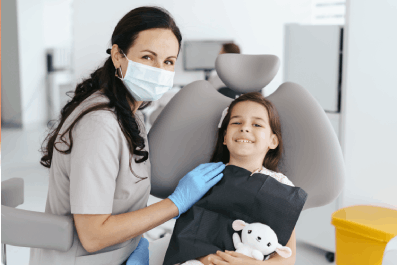
1. Tooth Decay and Cavities
Tooth decay is one of the most common dental problems among children. Cavities develop when bacteria in the mouth interact with sugars and carbohydrates from food and drinks. This process produces acids that gradually weaken tooth enamel.
Children may be particularly susceptible to cavities because they are still developing their brushing and flossing skills. Frequent snacking, sugary beverages, and inadequate brushing can increase the risk of tooth decay.
How Can Parents Prevent Cavities?
Parents can help reduce the risk of cavities by:
- Encouraging children to brush twice a day with fluoride toothpaste
- Helping younger children brush effectively
- Cleaning between teeth when appropriate
- Limiting frequent sugary snacks and drinks
- Encouraging water between meals
- Scheduling regular dental examinations
Regular dental appointments can also allow a dentist to identify early signs of tooth decay before they develop into more serious problems.
2. Gum Problems in Children
Healthy gums should generally appear pink and should not regularly bleed during brushing or flossing. However, children can develop gum irritation when plaque builds up around the teeth.
Poor brushing, inadequate flossing, and food particles left between teeth can contribute to gum inflammation.
Parents may notice symptoms such as:
- Red or swollen gums
- Bleeding during brushing
- Tenderness around the gums
- Persistent bad breath
- Plaque buildup around the teeth
Teaching children to brush gently along the gumline and clean between their teeth can help maintain healthier gums.
If bleeding or swelling continues, a dental examination can help determine the underlying cause.
3. Tooth Sensitivity
Children can sometimes experience tooth sensitivity when consuming hot, cold, sweet, or acidic foods and beverages.
Sensitivity may occur for several reasons, including tooth decay, enamel wear, dental injuries, or other dental conditions. Since children may have difficulty explaining exactly what they are experiencing, parents should pay attention to changes in eating or drinking habits.
For example, a child who suddenly avoids cold drinks or complains when eating certain foods may be experiencing dental sensitivity.
Rather than ignoring the problem, parents should discuss persistent sensitivity with their child’s dentist. Identifying the cause early can help prevent the issue from becoming more uncomfortable.
4. Dental Injuries
Children are active and often participate in sports, playground activities, cycling, and other physical activities. As a result, dental injuries can happen unexpectedly.
A fall or impact can chip, crack, loosen, or completely knock out a tooth. Even when an injury does not appear serious, it is a good idea to have the tooth assessed by a dental professional.
Parents can help reduce the risk of sports-related dental injuries by ensuring children wear an appropriately fitted mouthguard when participating in activities where there is a risk of impact.
If a dental injury occurs, contact your dentist as soon as possible for advice about the appropriate next steps.
5. Thumb Sucking and Pacifier Habits
Thumb sucking and pacifier use can be normal behaviors for infants and young children. However, prolonged habits may affect the development and alignment of the teeth and jaws.
The potential effects can depend on factors such as the duration and frequency of the habit and the child’s stage of dental development.
Parents who are concerned about persistent thumb sucking or pacifier use can discuss the habit with their child’s dentist. Regular dental visits allow the dentist to monitor how the teeth and jaws are developing and provide age-appropriate guidance.
6. Crooked or Crowded Teeth
As children grow, their mouths and jaws continue to develop. Some children naturally develop crowded, crooked, or spaced teeth.
Although not every child requires orthodontic treatment, regular dental examinations allow the dentist to monitor tooth development and identify potential alignment concerns.
Early observation can be helpful because some orthodontic issues may become easier to manage when identified at an appropriate stage of development.
Parents should discuss concerns about crowded or crooked teeth with their dentist rather than waiting until all permanent teeth have erupted.
7. Tooth Grinding
Some children grind or clench their teeth, particularly during sleep. Occasional tooth grinding may not cause significant problems, but frequent or severe grinding can contribute to tooth wear or jaw discomfort.
Parents may notice:
- Grinding sounds during sleep
- Worn or flattened areas on teeth
- Morning jaw discomfort
- Headaches
- Increased tooth sensitivity
If you notice persistent grinding, mention it during your child’s dental appointment. A dentist can evaluate the teeth and determine whether further attention is necessary.
8. Bad Breath
Bad breath in children can sometimes be related to food, oral hygiene, dry mouth, or bacteria accumulating on the teeth and tongue.
If your child regularly experiences bad breath despite brushing, it is worth discussing the issue with a dentist.
Good oral hygiene, including brushing the teeth and tongue and cleaning between the teeth, can help reduce the buildup of bacteria that contributes to unpleasant breath.
Persistent bad breath may also be associated with other oral or general health concerns, so professional evaluation can be helpful.
9. Early Tooth Loss
Baby teeth naturally fall out as permanent teeth begin to develop. However, losing a baby tooth significantly earlier than expected can sometimes be associated with tooth decay, trauma, or other dental concerns.
Baby teeth help children chew and speak, and they can also help maintain space for permanent teeth.
If your child loses a baby tooth because of an accident or severe decay, contact your dentist. The dentist can assess the situation and determine whether additional care is needed.
The Importance of Regular Dental Visits for Children
One of the most effective ways to prevent and manage childhood dental problems is to establish regular dental visits.
Dental appointments are not only about treating cavities. They also allow dental professionals to monitor the development of your child’s teeth and gums, identify potential concerns, provide preventive care, and help parents understand how to maintain good oral hygiene at home.
Regular visits can also help children become familiar with the dental environment. When dental appointments are introduced as a normal part of growing up, children may become more comfortable with professional dental care.
How Parents Can Build Healthy Dental Habits at Home
Good oral health begins at home. Parents can make dental care easier for children by establishing simple and consistent routines.
Make Brushing a Routine
Encourage your child to brush twice a day. Younger children often need assistance because they may not yet have the coordination needed to clean every surface effectively.
Make brushing part of the morning and bedtime routine so it becomes a normal habit.
Encourage Flossing
Once your child’s teeth begin touching each other, cleaning between them becomes important. Parents may need to help younger children floss until they are able to do it properly on their own.
Limit Sugary Snacks
Sugary foods and drinks can contribute to tooth decay, especially when consumed frequently throughout the day.
Instead of allowing children to snack continuously, encourage balanced meals and nutritious snacks. Water is also a good choice between meals.
Lead by Example
Children often learn by watching their parents. Brushing your own teeth regularly and maintaining positive attitudes toward dental visits can encourage your child to do the same.
When Should You Take Your Child to the Dentist?
Parents should not wait until their child has tooth pain before scheduling a dental appointment. Early and regular dental visits allow potential problems to be identified before they become more complicated.
A dentist can monitor your child’s oral development, discuss preventive care, answer questions, and recommend treatment when necessary.
If your child experiences tooth pain, swelling, persistent sensitivity, a dental injury, or another sudden oral health concern, contact a dental professional promptly.
Choosing Children’s Dentistry in Mississauga
Choosing the right dental practice for your child can make maintaining oral health easier for the entire family. Parents should look for a dental team that provides a comfortable environment, communicates clearly, focuses on preventive care, and understands the changing needs of growing children.
A positive dental experience can help children develop confidence about visiting the dentist and encourage them to take responsibility for their oral health as they grow.
For families searching for children’s dentistry in Mississauga,Dr. William Rodriguez & Associates provides dental care for patients of different ages in a welcoming environment. The practice focuses on helping patients maintain healthy smiles through preventive care, examinations, restorative treatments, orthodontic care, and other dental services.
Helping Your Child Maintain a Healthy Smile
Many childhood dental problems can be prevented or managed effectively when parents establish good oral hygiene habits and schedule regular dental examinations.
From cavities and gum problems to dental injuries and developing alignment concerns, paying attention to your child’s oral health can make a significant difference. Encourage regular brushing, teach good eating habits, help your child clean between their teeth, and make professional dental visits part of their routine.
A healthy smile starts with consistent care from an early age.
If you are looking for children’s dentistry in Mississauga, Dr. William Rodriguez & Associates is here to help your family maintain healthy smiles through every stage of childhood.
Book your child’s dental appointment with Dr. William Rodriguez & Associates today and take an important step toward protecting their growing smile.